About the Assembly
Assembly History
Tracing the growth of the Vihiga County Assembly from the establishment of devolution to a modern institution of legislation, oversight and representation.
From Devolution to Today
The Beginning of County Government in Vihiga
Kenya’s Constitution, promulgated in 2010, established a devolved system of government designed to bring public services, representation and development closer to citizens. The Constitution created national and county levels of government, with Vihiga becoming one of Kenya’s 47 counties.
The Vihiga County Assembly became the legislative arm of the County Government. Members of the first County Assembly were sworn in on 22 March 2013, marking the beginning of the Assembly’s work under the devolved system.
Since then, the Assembly has continued to develop its institutional capacity while carrying out legislation, oversight and representation on behalf of the people of Vihiga.
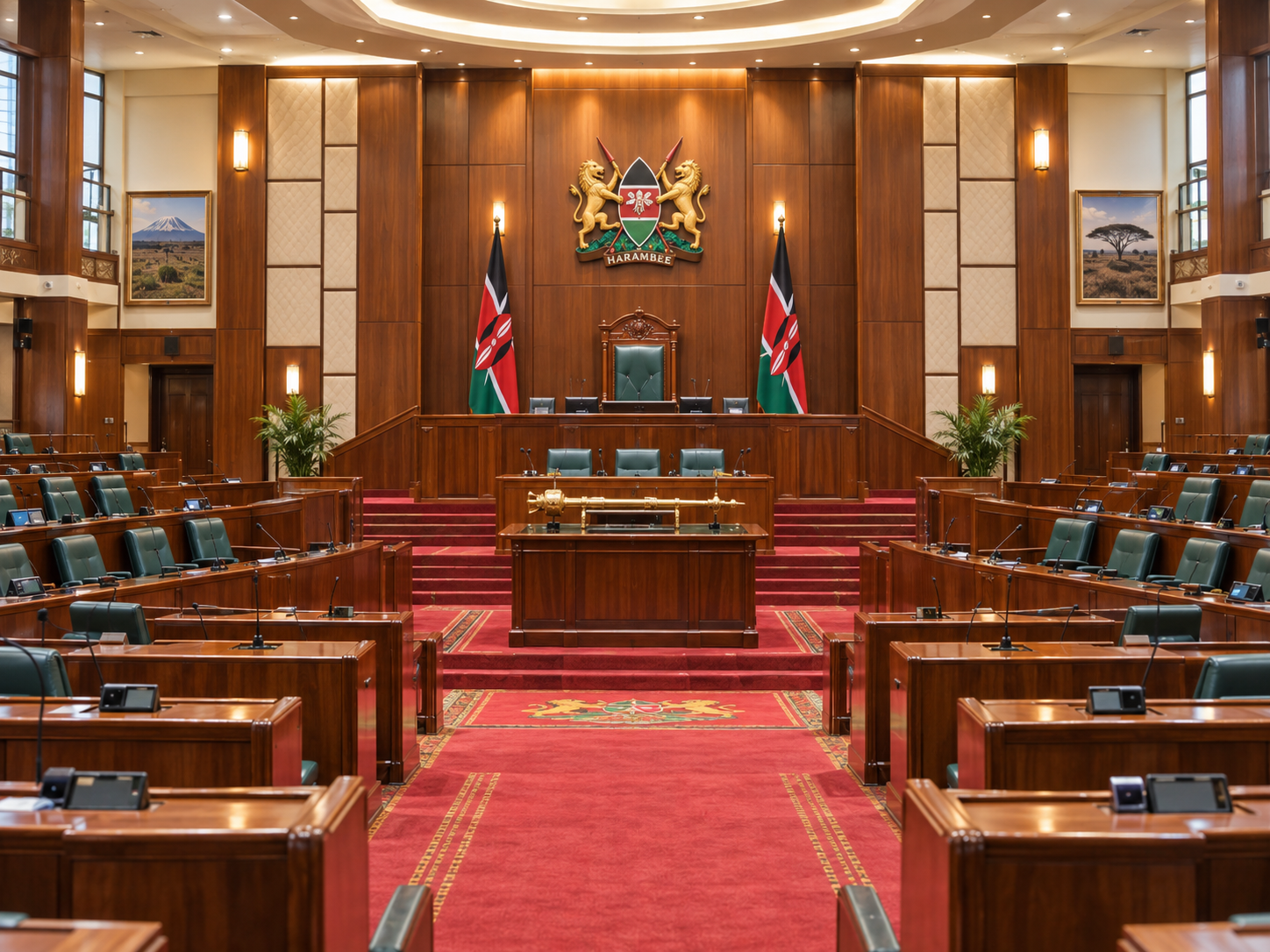
The Assembly’s institutional development has included improved chamber, office and public-access facilities.
Key Milestones
The Assembly Through the Years
These milestones highlight the establishment of devolution and the Assembly’s gradual institutional development.
2010
Devolution Established
Kenya’s Constitution created county governments and county assemblies within the devolved system.
22 March 2013
First Assembly Sworn In
Members of the first Vihiga County Assembly were sworn in and the institution began operating under devolution.
2013 onward
Infrastructure Development
The Assembly embarked on construction and renovation to replace or improve inherited facilities and provide suitable working space.
Institutional Growth
Modern Assembly Systems
Investment in Hansard technology, chamber facilities, public galleries and security strengthened the Assembly’s ability to conduct public business.
Institution Building
From Inherited Facilities to a Modern Assembly
When the first Assembly took office in 2013, it inherited buildings from the former County Council of Vihiga that were described as run down and inadequate for the Assembly’s constitutional responsibilities.
The Assembly responded by undertaking construction and renovation works intended to provide suitable offices, meeting spaces and a functional environment for Members, staff and visitors.
This infrastructure development formed part of a wider effort to establish the Assembly as a permanent public institution capable of conducting legislative and oversight work effectively.
Institutional Development
Modernising Assembly Operations
Over time, the Assembly invested in systems and facilities intended to strengthen openness, record keeping and public access to proceedings.
Hansard Technology
Modern Hansard equipment supports recording and faster preparation of proceedings and official reports.
Public Gallery
The debating chamber includes gallery space for the public, media and other visitors, supporting openness in Assembly proceedings.
Security & Records
Security arrangements help protect official records and provide a safer environment for Assembly business.
A Continuing Mandate
Legislation, Oversight and Public Representation
Institutional growth has supported the Assembly’s continuing constitutional functions and its role in county governance.
⚖
County Legislation
The Assembly considers bills and makes county laws within the functions assigned to county governments.
◉
Oversight
Members scrutinise county programmes, expenditure and implementation in the public interest.
◎
Representation
The Assembly provides a platform through which residents’ interests and priorities can be represented in county decision-making.
Explore Further
Learn More About the Vihiga County Assembly
Explore the Assembly’s mandate, leadership and ongoing legislative work.